
Habisha: A Timeless Tradition of Devotion, Sacrifice and Odisha’s Spiritual Heritage

By Jayaprakash Nayak
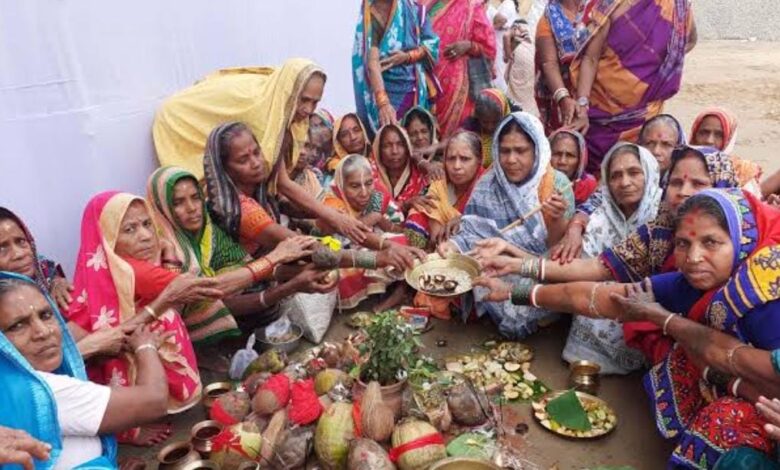
Odisha’s cultural identity is deeply intertwined with its spiritual traditions, and the holy month of Kartika holds a special place in the hearts of millions of devotees. Among its most cherished observances is Habisha, a sacred tradition that reflects devotion, simplicity, sacrifice and spiritual discipline. Every year, during this auspicious month, thousands of women, particularly widows and elderly devotees, undertake the Habisha Brata with unwavering faith in Lord Jagannath. For them, Habisha is not simply a religious observance but an opportunity to dedicate their lives to prayer, self-purification and spiritual fulfilment. Rising early in the morning, taking ritual baths, worshipping Tulasi, lighting lamps, reading religious scriptures and chanting the name of Lord Jagannath become an integral part of their daily lives. Their simple food habits and disciplined lifestyle reflect the values of restraint, patience and devotion. The sacred atmosphere of Kartika brings a unique spiritual charm to Odisha, particularly in Puri, where Habishyalies gather to seek the divine blessings of Mahaprabhu.
The real significance of Habisha goes far beyond religious rituals and traditional food practices. It teaches human beings the importance of controlling desires, maintaining purity of thought and leading a life guided by honesty, compassion and humility. The dedication of Habishyalies is an inspiring example of faith and determination. Their devotion reminds society that spirituality is not measured by the grandeur of worship but by the goodness of one’s heart and actions. Helping the poor, feeding the hungry, respecting elders, caring for the sick and extending a helping hand to those in distress are equally meaningful forms of devotion. The tradition also strengthens family bonds and preserves Odisha’s cultural heritage across generations. During Kartika, the holy city of Puri becomes a centre of spiritual awakening, where the sound of prayers, temple rituals and devotional songs creates an atmosphere of peace and divine grace. It is also important for society and the administration to ensure that elderly Habishyalies receive proper accommodation, healthcare, safety and all necessary facilities during their stay.
In today’s rapidly changing world, where material aspirations and busy lifestyles often overshadow human values, Habisha reminds us of the importance of simplicity, self-discipline and inner peace. It encourages people to take time for self-reflection and understand that the true purpose of life lies not merely in personal achievements but also in serving others and contributing to society. The devotion of Habishyalies teaches younger generations to respect traditions, remain connected with their cultural roots and uphold the values of humanity. The message of Lord Jagannath transcends religious boundaries and inspires universal brotherhood, equality and compassion. Therefore, the observance of Habisha should not end with the completion of Kartika; its noble teachings should guide our conduct throughout the year. Let us embrace kindness over hatred, service over selfishness and truth over falsehood. When devotion is combined with humanity, life becomes more meaningful and society becomes stronger. May Mahaprabhu Shree Jagannath bless everyone with peace, prosperity, good health and spiritual strength.