
By Jayaprakash Nayak
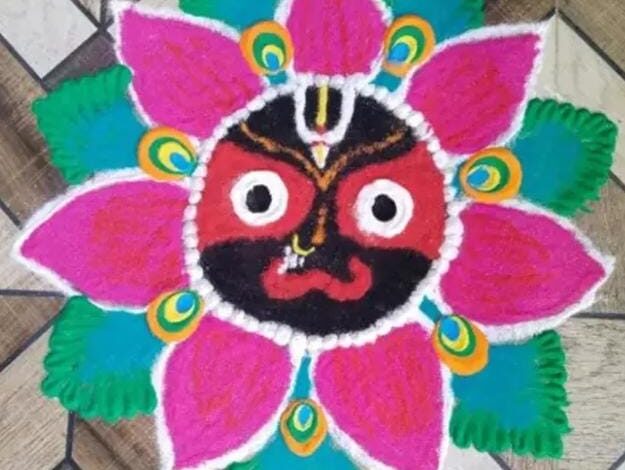
In the cultural landscape of Odisha, festivals are much more than religious celebrations; they are living expressions of faith, tradition, social harmony and the values that bind generations together. Among these sacred occasions, Panchuka occupies a special place in the hearts of Odias. Observed during the final five days of the holy month of Kartika, Panchuka symbolises devotion, spiritual discipline, purity of thought and compassion. As these auspicious days arrive, an atmosphere of devotion spreads across villages, towns and cities. Homes are illuminated with traditional lamps, temples echo with the sounds of bells, conches and devotional songs, and devotees immerse themselves in prayers and religious observances. The spiritual significance of Panchuka becomes particularly visible in Puri, the sacred abode of Lord Jagannath, where the Trinity is adorned in magnificent traditional attire during these five days. The Lakshmi-Narayana Besha, Bankachuda Besha, Tribikrama Besha, Lakshmi-Nrusimha Besha and Rajarajeswara or Suna Besha reflect the divine splendour of Mahaprabhu and offer devotees an unforgettable spiritual experience. For millions of devotees, these sacred traditions strengthen their faith and deepen their emotional connection with Lord Jagannath. However, the real significance of Panchuka extends far beyond rituals, fasting and temple visits. It is a reminder that spiritual purity begins within the human heart. It encourages us to overcome anger, greed, jealousy and arrogance and embrace truth, forgiveness, patience and kindness. In a world increasingly influenced by material aspirations and personal competition, Panchuka provides an opportunity to pause, reflect and rediscover the deeper meaning of life. It teaches us that true devotion is not measured by the number of prayers we offer but by the goodness we bring into the lives of others.
The greatest message of Panchuka is that serving humanity is one of the noblest forms of worship. Feeding the hungry, helping the poor, supporting the helpless, caring for the sick, respecting elders and standing beside those facing difficulties are expressions of genuine faith. Lighting a lamp before God is a sacred tradition, but spreading the light of hope in someone’s life is equally meaningful. The festival also reminds us of the importance of family relationships, social responsibility and cultural continuity. Spending time with family members, seeking the blessings of elders and introducing children to Odisha’s rich religious heritage can help preserve our traditions for future generations. Equally important is our responsibility towards nature. Keeping rivers, ponds and surroundings clean and protecting the environment should become an integral part of our religious and social practices. Festivals such as Panchuka also strengthen the bonds of brotherhood by bringing people together beyond differences of caste, religion, economic status and social background. In today’s rapidly changing society, the younger generation must understand that traditions are not merely inherited customs; they are valuable lessons that shape character and strengthen collective identity. The five sacred days of Panchuka should inspire us to practise five timeless values in our everyday lives—faith, self-discipline, truth, service and humanity. A society becomes truly prosperous not merely through wealth and development but through compassion, mutual respect, understanding and concern for the less fortunate. If every individual makes a sincere effort to bring happiness into another person’s life, the spirit of Panchuka will continue to shine long after the festival concludes. Let this sacred occasion remind us that the path to God begins with love, kindness and service to humanity. May the blessings of Mahaprabhu Shri Jagannath bring peace, happiness, prosperity and wisdom to every household and strengthen the spirit of unity and compassion across society. Jai Jagannath!