Panchuka: Five Sacred Days That Teach Us the True Meaning of Faith, Compassion and Humanity

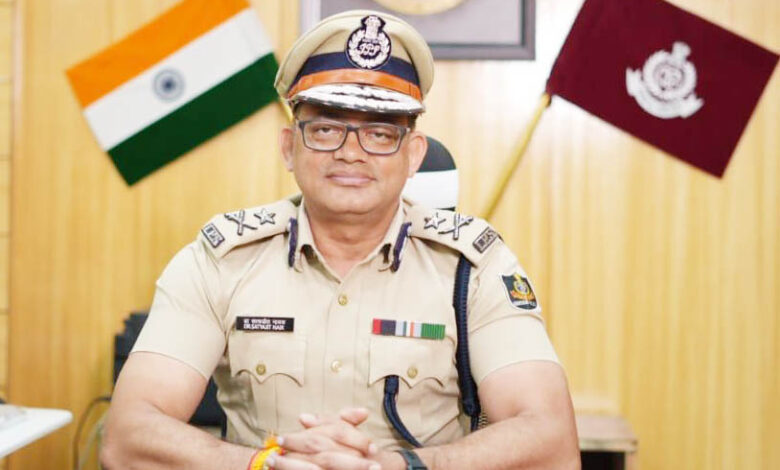
By Dr Satyajit Naik
Festivals are not merely occasions of religious observance; they are reflections of our cultural identity, spiritual values and collective conscience. Among Odisha’s rich religious traditions, Panchuka holds a special place in the hearts of millions. Observed during the final five days of the holy month of Kartika, Panchuka represents devotion, self-discipline, purity of thought and compassion towards fellow human beings. The arrival of these sacred days transforms villages, towns and cities across Odisha into centres of spiritual devotion. Temples resonate with the sounds of bells, conches and devotional hymns, while homes are illuminated with traditional lamps and filled with prayers and religious rituals. The spiritual atmosphere reaches its height at the holy town of Puri, where Lord Jagannath, along with Lord Balabhadra and Devi Subhadra, is adorned in five magnificent forms during the Panchuka period. The Lakshmi-Narayana Besha, Bankachuda Besha, Tribikrama Besha, Lakshmi-Nrusimha Besha and Rajarajeswara or Suna Besha offer devotees a deeply moving spiritual experience. These sacred traditions are not merely visual expressions of devotion; they carry profound messages about faith, humility and the eternal relationship between humanity and the divine. The true significance of Panchuka, however, goes beyond rituals, fasting and temple visits. It reminds us to purify our minds, overcome anger, greed, jealousy and ego, and embrace truth, patience and kindness in our everyday lives. Real devotion is reflected not only in the prayers we offer before God but also in the honesty of our actions, the kindness of our words and the compassion we show towards others. Faith becomes meaningful when it inspires us to become better human beings.
In today’s fast-moving world, where professional pressures, competition and personal responsibilities often leave little room for reflection, Panchuka offers an opportunity to reconnect with our inner selves, families and society. It reminds us of the importance of spending quality time with our elders, seeking their blessings, nurturing family relationships and passing our rich cultural traditions to the younger generation. The festival also reinforces the values of charity, service and social responsibility. Feeding the hungry, helping the poor, supporting the helpless, caring for the sick and bringing smiles to distressed faces are among the noblest forms of worship. Lighting a lamp in a temple is an expression of faith, but bringing hope and happiness into someone’s life is equally sacred. We must also recognise our responsibility towards nature by protecting rivers, ponds and other water bodies and maintaining cleanliness in our surroundings. As a police officer, I firmly believe that the values of discipline, compassion, mutual respect and responsibility are essential for building a peaceful and harmonious society. Festivals such as Panchuka bring people together beyond barriers of caste, community and social differences, strengthening the spirit of unity and brotherhood. They also remind us that maintaining peace, public safety and discipline during religious gatherings is a shared responsibility. Panchuka should therefore not remain confined to five days of religious observance; its message must become an integral part of our daily lives. Let these sacred days inspire us to practise five timeless values—faith, discipline, service, truth and humanity. If we can understand another person’s suffering, extend a helping hand to those in need and contribute positively to society, the true purpose of our spiritual traditions will be fulfilled. May the blessings of Mahaprabhu Shri Jagannath bring peace, happiness, prosperity, good health and wisdom to every household. May the light of devotion illuminate our hearts and guide us towards a more compassionate and harmonious society.