
By Er. Taraprasad Mishra
Children are the greatest strength of any nation and the most precious hope for a better tomorrow. Their innocent smiles reflect happiness, their curious minds seek new knowledge, and their dreams carry the promise of endless possibilities. A child holding the finger of a parent today may become a leader, scientist, engineer, teacher or social reformer tomorrow. Every child has a unique identity, extraordinary potential and an important role to play in shaping society. Therefore, nurturing childhood is not merely a family responsibility; it is a collective commitment towards building a progressive, compassionate and developed nation.
Children’s Day, celebrated every year on November 14, marks the birth anniversary of India’s first Prime Minister, Pandit Jawaharlal Nehru. Fondly remembered as ‘Chacha Nehru’, he had immense affection for children and believed that they were the true architects of the nation’s future. The occasion reminds us of our responsibility to protect childhood, provide equal opportunities and ensure the holistic development of every child.
Childhood is the foundation of human personality. The values, habits and experiences developed during this stage influence an individual’s entire life. The family is a child’s first educational institution, and parents are the first guides. Children learn honesty, discipline, compassion, respect and responsibility from their surroundings. Schools further strengthen these values through education, knowledge and practical experiences. However, education should not be restricted to academic achievements and examination results. Its real purpose is to develop good human beings with creativity, confidence, leadership qualities and a strong sense of social responsibility.
In today’s competitive world, children are often burdened with academic expectations and pressure to achieve success. Sometimes, parents unknowingly impose their unfulfilled dreams on their children. However, every child has different interests, abilities and aspirations. Some dream of becoming doctors or engineers, while others aspire to become scientists, sportspersons, artists, entrepreneurs or teachers. Instead of comparing children, we must recognise their individual talents and encourage them to follow their interests. Children should be allowed to learn from their mistakes, overcome failures and develop confidence through their own experiences.
Despite significant progress, many children continue to face challenges such as poverty, malnutrition, child labour, child marriage, exploitation, human trafficking and lack of access to education. While some children enjoy modern facilities and opportunities, others struggle even for basic necessities. This inequality remains a serious concern for society. Every child deserves quality education, proper nutrition, healthcare, protection and equal opportunities. No child should be forced to work when they should be learning in a classroom, and no child’s dreams should be destroyed by poverty or discrimination.
The rapid advancement of science and technology has opened new avenues of learning for children. Digital platforms provide access to knowledge and information, but their excessive and irresponsible use can also create serious challenges. Cyberbullying, online exploitation, digital addiction and exposure to inappropriate content can affect children’s physical and mental well-being. Parents and teachers must guide children towards responsible technology use while encouraging outdoor activities, reading, sports and creative pursuits.
Along with academic knowledge, children must be taught the importance of moral values and humanity. Kindness, honesty, tolerance, respect for elders, compassion towards the underprivileged and concern for the environment are essential qualities that should be cultivated from an early age. Children must understand that true success is not determined only by professional achievements or financial prosperity, but also by the positive difference one makes in the lives of others. An educated person can contribute to society, but an educated person with humanity can transform society.
The real significance of Children’s Day lies not in organising celebrations, distributing gifts or delivering speeches for a single day. Its true meaning is reflected in our everyday efforts to protect children’s rights, respect their individuality and create opportunities for their development. Parents, teachers, government institutions and society must work together to ensure that every child grows up in a safe, healthy and encouraging environment.
Ultimately, the future of a nation depends on how it nurtures its children today. The values we teach, the opportunities we provide and the environment we create will shape the character of future generations. We must give children not only dreams but also the confidence, courage and opportunities to fulfil them. Giving them love, attention, education and proper guidance is one of the greatest contributions we can make to humanity.
Children’s smiles bring happiness to families, their education strengthens society, and their dreams illuminate the future of the nation. Let us protect their innocence, encourage their creativity and empower their aspirations. Because when we invest in children, we invest in the future of humanity.
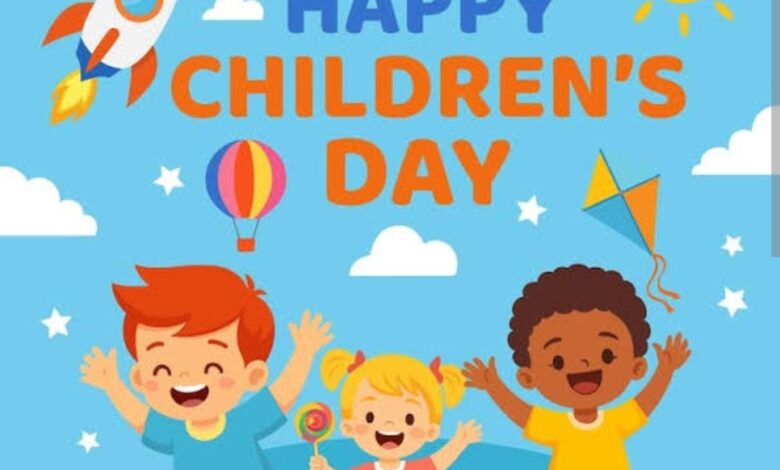
Happy Children’s Day to all the young minds who hold the promise of a brighter tomorrow!