Panchuka: Five Sacred Days of Spiritual Awakening, Cultural Heritage and Human Values

By Er. Taraprasad Mishra
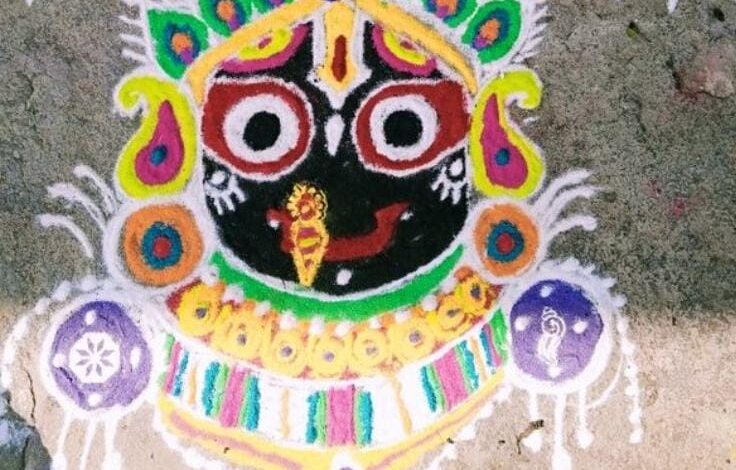
Life is not merely about wealth, achievements, material comforts and social recognition; its true beauty lies in faith, values, compassion and spiritual awareness. In the rich religious and cultural traditions of Odisha, Panchuka occupies a special place as a festival that encourages people to reconnect with their inner selves, faith and cultural roots. Observed during the final five days of the holy month of Kartika, Panchuka creates an atmosphere of devotion and spirituality across villages, towns and cities. Homes are illuminated with traditional lamps, temples resonate with devotional songs and the sounds of bells and conches, while devotees engage in prayers, fasting and religious observances. In Puri, the sacred abode of Lord Jagannath, the five magnificent forms of Mahaprabhu during this period—Lakshmi-Narayana Besha, Bankachuda Besha, Tribikrama Besha, Lakshmi-Nrusimha Besha and Rajarajeswara or Suna Besha—hold immense religious significance. These divine appearances fill the hearts of devotees with devotion, happiness and spiritual fulfilment. The magnificent traditions remind us of the eternal power of faith and the greatness of the Almighty. However, the significance of Panchuka extends far beyond religious rituals and ceremonial observances. It offers an opportunity for introspection, self-discipline and the purification of thoughts. Just as a lamp removes darkness, spiritual awareness can remove negativity, ignorance, arrogance, greed, jealousy and anger from human life. Panchuka teaches us to embrace truth, patience, humility and kindness and to understand that the real purpose of religion is not simply to worship God but also to become a better human being. In an age dominated by material ambitions and increasing competition, these timeless values are essential for maintaining peace and balance in life.
The greatest message of Panchuka is that humanity itself is one of the noblest expressions of spirituality. Feeding a hungry person, helping the poor, supporting the helpless, caring for the sick, respecting elders and bringing hope to someone facing difficulties are acts of genuine devotion. Worship becomes meaningful when it inspires compassion and encourages us to serve society. In today’s rapidly changing world, where technology and modern lifestyles increasingly influence human relationships, preserving family bonds, mutual respect and emotional connections has become more important than ever. Panchuka reminds us to value our parents and elders, nurture affection among family members and pass our rich cultural heritage to future generations. It also teaches us to respect nature and protect rivers, ponds, water bodies and the surrounding environment. Cleanliness, environmental awareness and social responsibility should be integral to our religious and cultural practices. Our festivals have a unique ability to bring people together beyond differences of caste, religion, language and economic status. They strengthen brotherhood, promote social harmony and remind us that humanity is greater than every social division. The younger generation must understand that traditions are not merely inherited customs but valuable lessons that shape character and build a responsible society. In my view, the five sacred days of Panchuka offer five important principles for a meaningful life: faith in devotion, purity in thoughts, honesty in actions, discipline in conduct and compassion towards humanity. If these values become part of our everyday lives, the true purpose of Panchuka will be fulfilled. May Mahaprabhu Shri Jagannath bless every household with happiness, peace, prosperity and wisdom. May the lamp of devotion illuminate our hearts and the light of humanity spread throughout society. Jai Jagannath!