Policing Must Begin Before Crime Occurs”: IGP Dr Satyajit Naik on Public Safety, Cybercrime and People-Friendly Policing

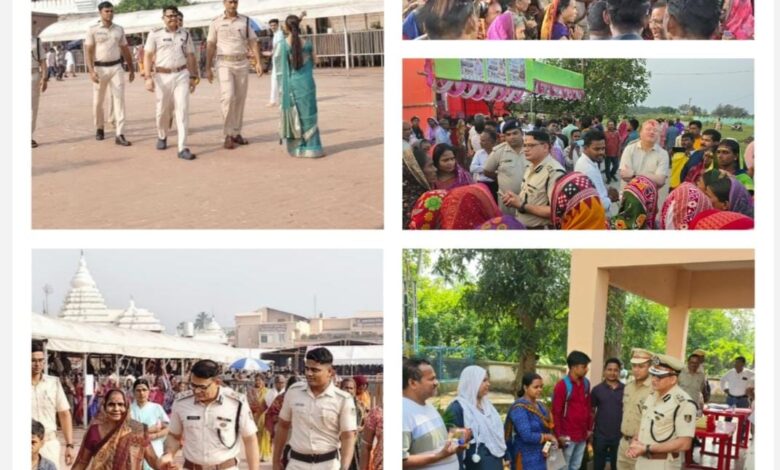
In an exclusive-style interview, IGP, Central Range, Dr Satyajit Naik,IPS, outlines his vision for preventive policing, technology-driven investigations, drug-free society, women’s safety and stronger police-public cooperation across seven districts of Odisha.
CUTTACK: There is a human story behind every police uniform. It is a story of responsibility, sacrifice, sleepless nights, difficult decisions and countless moments when personal emotions must give way to public duty. For Dr Satyajit Naik,IPS, Inspector General of Police, Central Range, Cuttack, policing is not merely a profession governed by laws and regulations; it is a commitment to humanity, compassion and the protection of those who need help.
In a world where people often remember the police for arrests, investigations, security arrangements and law enforcement, the deeper human side of policing sometimes remains unseen. The officer standing before a crowd, managing an emergency or listening to a distressed citizen is also a human being carrying enormous responsibilities. It is this connection between the uniform and the human heart that makes this interview meaningful.
The interview: A conversation beyond the uniform
Q: Sir, people see the uniform, the authority and the power of the police. But what is the human being behind the uniform?
Dr Naik : Behind every uniform is a human being with emotions, responsibilities and a family. Police officers are also sons, daughters, husbands, wives, fathers and mothers. They too experience happiness, pain and personal difficulties. But when duty calls, personal priorities often have to take a back seat. There are occasions when an officer cannot be with family during festivals, celebrations or difficult moments because society needs him. That is part of the responsibility we have accepted.
Q: Have you ever felt that the police should be remembered more for kindness than fear?
Dr Naik : Absolutely. Fear may create temporary obedience, but kindness and fairness create lasting trust. When a poor person enters a police station, he should not feel helpless. When a mother comes seeking help for her child, she should feel that someone is listening. When an elderly person needs assistance, we should respond with dignity. The police uniform should give people confidence that someone is standing beside them.
Q: What touches you most while serving society?
Dr Naik : The opportunity to help someone in distress is among the most meaningful aspects of policing. Sometimes a timely intervention can save a life, protect a family or restore hope to someone who has lost confidence. Such moments remind us why we joined the service. Not every good deed makes headlines, but even a small act of humanity can make a tremendous difference in someone’s life.
Q: Police personnel often work during festivals while their families celebrate at home. How do you look at their sacrifices?
Dr Naik: Their sacrifices deserve recognition. When people celebrate Durga Puja, Diwali, Kali Puja, Kartika Purnima or other festivals, thousands of police personnel remain on duty to protect them. They stand on roads, manage crowds, regulate traffic and respond to emergencies. Their families also make sacrifices by accepting their absence. I have great respect for every constable, Home Guard, officer and member of the police force who performs duty with dedication.
Q: What would you say to a police officer who is emotionally exhausted by the pressure of duty?
Dr Naik: Police work is demanding, both physically and mentally. Officers must look after their health, maintain fitness, communicate with their families and support one another. Leadership also carries the responsibility of understanding the difficulties faced by personnel. A healthy, motivated and emotionally balanced police force is essential for effective public service.
Q: What is your greatest concern about today’s younger generation?
Dr Naik: I am concerned about the growing influence of drugs, online fraud, cyber exploitation and irresponsible use of social media. Young people are the strength of our nation. We must protect their dreams and opportunities. A young person who falls into addiction should not be abandoned. We must help them return to a meaningful life through counselling, treatment, family support and rehabilitation. At the same time, those involved in drug trafficking must face strict legal action.
Q: Your appeal against drug abuse has a strong emotional message. Why?
Dr Naik: Because drug addiction does not destroy only one individual. It affects parents, siblings, children and entire families. Behind every addicted young person, there may be a mother waiting for her child to return to a normal life. We must understand this human tragedy. Police action against traffickers must be strong, but our social response towards people struggling with addiction must be compassionate.
Q: What is your message to women who hesitate to approach the police?
Dr Naik: Never suffer silently. Every woman deserves dignity, safety and justice. We want women and girls to feel confident that their complaints will be heard and acted upon. Police personnel must treat such cases with sensitivity and professionalism. Protecting women and children is not merely an official responsibility; it is a moral responsibility of society.
Q: Does a police officer ever experience helplessness?
Dr Naik: Every public servant encounters difficult situations where circumstances are challenging and expectations are high. We must remain patient, professional and committed to the law. Not every problem has an immediate solution, but every genuine grievance deserves attention. We should never allow difficulties to weaken our commitment to service.
Q: What does humanity mean to you in the context of policing?
Dr Naik: Humanity means recognising the dignity of every individual. It means listening before judging, helping before turning away and exercising authority responsibly. Law must be enforced firmly, but it must also be enforced fairly. Compassion does not mean compromising with crime. It means treating people with dignity while upholding the law.
Q: Finally, what would you like people to remember about the police?
Dr Naik: I would like people to see the police as partners in building a peaceful society. Police and public are not separate entities; they are part of the same community. Citizens should trust the police, cooperate with investigations and share credible information. Our doors should always remain open to genuine concerns. Together, we can prevent crime, protect vulnerable people and build a safer society.