Nemala: Where Devotion Meets Peace, Spiritual Grace and the Spirit of Public Service


- By Dr Satyajit Naik , IPS
- Inspector General of Police, Central Range, Cuttack
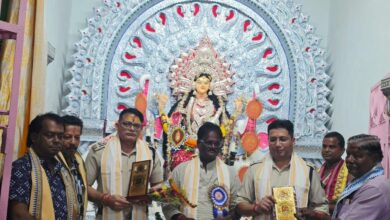
Life is a continuous journey of duty, responsibility, experience and self-discovery. Amid the demanding responsibilities of public service, there are moments when a sacred place touches the deepest corners of the heart and fills the soul with an indescribable sense of peace. My visit to the holy shrine of Mahapurusha Achyutananda at Nemala in Cuttack district, during the auspicious month of Kartika, was one such deeply moving experience. As I stepped into this spiritually charged land, I felt an extraordinary calmness descend upon me. The atmosphere carried the fragrance of devotion, the warmth of faith and the timeless essence of Odisha’s spiritual heritage. Nemala is not merely a pilgrimage destination; it is a sacred centre of belief, wisdom and cultural identity, closely associated with the spiritual legacy of Mahapurusha Achyutananda and the revered Panchasakha tradition. For countless devotees, this holy land represents a profound connection with the divine, offering comfort to troubled hearts and renewed hope to weary minds. Standing amidst this atmosphere of devotion, I was reminded that true spirituality lies not merely in prayer or ritual, but in the purity of our intentions, the humility of our conduct and the compassion we extend towards others. The teachings and spiritual traditions associated with Mahapurusha Achyutananda continue to inspire generations to reflect upon the deeper meaning of existence, the importance of moral values and the eternal relationship between the human soul and the Almighty. In a world increasingly shaped by competition, uncertainty and material aspirations, such sacred places remind us to pause, look within ourselves and rediscover the values that make us truly human. For me, the visit was both a moment of spiritual fulfilment and an opportunity to reconnect with the timeless wisdom that guides us towards truth, kindness and righteous living.
My visit to Nemala also carried an important professional responsibility, as I reviewed the police arrangements for the smooth and peaceful observance of Rasa Purnima at the sacred Achyutananda Pitha. The holy month of Kartika attracts large numbers of devotees to Odisha’s religious centres, and ensuring their safety is a significant responsibility for the police and the administration. At Nemala, I was pleased to observe the arrangements made by the police for crowd management, safe movement and the convenience of pilgrims. Behind every peaceful darshan lies the dedication of personnel who remain alert and committed, often away from their families, so that others may experience moments of faith without fear or inconvenience. Their service deserves appreciation because policing during religious gatherings is not simply about maintaining law and order; it is about protecting the sanctity of devotion and ensuring that every pilgrim can return home with cherished memories. Proper planning, disciplined deployment, effective coordination with the local administration, regulated traffic movement and well-managed entry and exit routes are essential to creating a secure environment. However, I firmly believe that the true strength of policing lies not only in preparedness and enforcement but also in empathy, patience and a human touch. A uniform acquires its real dignity when it becomes a symbol of reassurance for ordinary citizens. When an elderly devotee receives assistance, when a lost child is reunited with a family, or when a pilgrim feels safe amid a large gathering, the deeper purpose of public service becomes visible. My philosophy of policing has always been that people should see the police as a source of protection, confidence and support. We must listen to their concerns, respect their sentiments and respond to their needs with sensitivity. The successful management of a religious festival is a collective achievement involving police personnel, administrative officials, temple authorities, volunteers and the public. Their cooperation transforms security arrangements into an expression of shared responsibility. At Nemala, the sacred atmosphere reinforced my conviction that duty, when performed with sincerity and compassion, becomes a form of service to the Almighty Himself.
Another profound lesson I carried away from Nemala was the unifying power of faith. Within the sacred surroundings of a pilgrimage centre, differences of age, occupation, economic status and social identity become less important than the shared feeling of devotion. People arrive with different prayers, personal struggles and hopes for the future, yet they stand together with a common belief in divine grace. This collective faith reflects one of the finest strengths of our society: the ability to come together through shared values, mutual respect and a sense of belonging. Odisha’s rich spiritual traditions have long encouraged compassion, tolerance, humility and harmony among people. Preserving these values is especially important in contemporary society, where the pressures of modern life can sometimes weaken human relationships and draw individuals away from their cultural roots. Our religious institutions are not merely places of worship; they are living repositories of history, literature, collective memory and community identity. Protecting their heritage, maintaining cleanliness, preserving their sanctity and introducing younger generations to their significance are responsibilities we must share. At the same time, spirituality must find expression beyond the walls of a shrine. It should inspire us to stand beside the vulnerable, help those in distress, treat every individual with dignity and contribute meaningfully to the welfare of society. As a public servant, I believe that performing one’s duty honestly, impartially and compassionately is itself a form of spiritual discipline. Every responsibility entrusted to us becomes an opportunity to demonstrate integrity. For the police, this means protecting the weak, upholding the rule of law without discrimination, respecting human dignity and remaining accountable to the people we serve. No position or professional achievement can be greater than the satisfaction of knowing that our actions have made someone’s life safer, easier or more hopeful. The spiritual experience at Nemala strengthened this belief within me. It reminded me that the values we seek in places of worship must also guide our conduct in offices, on the streets and in every interaction with fellow human beings. Faith becomes truly meaningful when it inspires action, and devotion finds its highest expression when it leads to compassion, justice and selfless service.
As I reflect upon my visit to the sacred land of Nemala, the memories remain close to my heart as a beautiful confluence of devotion, inner peace and public responsibility. The experience reminded me that the true worth of a human being is not measured by rank, recognition or material achievement, but by the sincerity with which one fulfils responsibilities and the goodness one brings into the lives of others. Spirituality gives strength to the heart, humility to the mind and purpose to our actions. Public service, when guided by these qualities, becomes more than a profession; it becomes a commitment to humanity. The sacred legacy of Mahapurusha Achyutananda continues to inspire us to seek wisdom, cultivate self-discipline and uphold the enduring values of truth and compassion. I returned from Nemala with renewed faith in the belief that devotion and duty are not separate paths. When duty is performed with honesty, it becomes worship; when authority is exercised with compassion, it becomes service; and when faith encourages us to work for the welfare of others, it becomes a force for social transformation. I offer my humble prayers at the feet of Mahapurusha Achyutananda for peace, happiness, prosperity and harmony in every household. May the people of Odisha continue to be guided by mutual respect, brotherhood and the noble spirit of humanity. May our sacred traditions remain a source of strength for future generations, and may every effort made to protect the public and serve society be blessed with success. Above all, may we find the wisdom to recognise the divine not only in sacred places but also in the suffering, hopes and aspirations of the people around us. Nemala will remain, for me, far more than a memorable destination. It will remain a sacred reminder that the purest form of devotion is expressed through sincere duty, the deepest form of peace is found in a compassionate heart, and the noblest form of public service is the selfless commitment to the safety, dignity and well-being of every human being.